
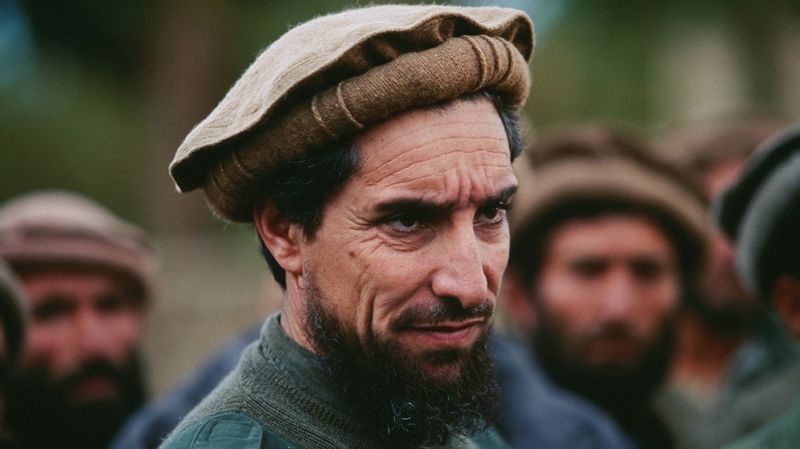
Throughout the history of nations, there emerge individuals whose place in history is determined not only by power and victories, but also by the principles they refuse to compromise even under the most difficult circumstances. For me, Ahmad Shah Massoud was one of those people – an educated and freedom-loving man who placed human freedom, the independence of his homeland, and national interests above party, organizational, ethnic, and linguistic affiliations.
This perception is based not only on my study of his activities and what I heard from others. It is also rooted in my own direct experience.
During the civil war, while I was in Tehran on official duties, I had the opportunity to meet Ahmad Shah Massoud twice as part of official missions. Before our first meeting, because of my political background and differences in our views, I had some apprehension that I might be treated coldly or even with hostility as someone who had previously worked at the Embassy of Afghanistan under the regime that existed before the mujahideen came to power.
However, what I witnessed was completely different from what I had expected.
His conversation with me was so friendly, respectful, and at the same time serious and responsible that I had not encountered such an attitude even in many official contacts during my previous diplomatic career. He did not regard my political past as a reason to determine how he should treat me as a person. The discussion was about Afghanistan, responsibility, and the interests of the country.
These meetings were also an important lesson for me. I myself had to free myself from the constraints of my previous assessments. I tried to put aside my former ideological attachments and make my own conscience, as well as what I had seen with my own eyes, the criterion for my judgment. After meeting Massoud personally, many of my previous disagreements and perceptions of him lost their former significance, and from that time until today, my respect and admiration for him as a person have remained unchanged.
In important matters that I later observed directly or encountered in the course of my political work, one of his qualities became particularly evident to me: he did not sacrifice national interests for the interests of an organization, party, ethnic group, or linguistic community. For him, Afghanistan stood above party, ethnicity, and region.
Massoud spent much of his life in resistance, but he did not regard war as an end in itself. He distinguished between peace and capitulation, between reconciliation and a political deal. He was prepared to engage in dialogue with a fellow Afghan who stood on the opposing side, but until the last day of his life he resisted what he regarded as the imposition of restrictions on Afghanistan"s freedom and independence.
An important example of this approach can be seen in his role in the peace process in Tajikistan in the 1990s. Having witnessed with his own eyes the devastating consequences of the civil war in Afghanistan, Massoud did not want Tajikistan to repeat this bitter experience. Alongside other efforts, Massoud and Professor Burhanuddin Rabbani contributed to bringing the government and the Tajik opposition closer together. Ultimately, instead of seeking to eliminate one another, the Tajik sides chose the path of dialogue and national reconciliation, and in 1997 the peace process culminated in an agreement.
The significance of this experience was important: reconciliation with a fellow countryman is not a sign of weakness; sometimes it is the highest form of responsibility toward one"s homeland.
At the same time, Afghanistan"s history also contains examples of a politics in which positions and alliances changed as the centers of power shifted.
The political trajectory of Gulbuddin Hekmatyar – from contacts and cooperation during the final years of Dr. Najibullah"s rule and his rapprochement with Shah Nawaz Tanai to his subsequent alliances and agreements – provides important material for historical assessment. The distinction should be sought between compromise for the sake of saving one"s homeland and a political deal made for the sake of power.
Massoud was also an ordinary human being and, like any historical figure, was open to criticism. Respect for him should not prevent an objective assessment. However, what I understood from my two personal encounters with him and later observed in his political activities can be summarized as follows: on matters of principle, Afghanistan and the national interest occupied a position above ethnic, linguistic, and organizational affiliations for him.
Today, so many years later, I am even more convinced that a person"s worth should not be determined by his political, ethnic, or linguistic affiliation. A free person should have the ability to change his opinion even of yesterday"s adversary if he comes to see a different truth. Freedom of thought means placing truth above prejudice, and conscience above dependency.
And perhaps this is where the deeper meaning of dignity reveals itself. According to religious belief, ultimate honor and humiliation come from God; yet on earth, it is the conscience of people that delivers its verdict on those who wield power. Governments come and go, authority comes to an end, but a person who stands up in defense of the freedom and interests of his people can remain alive in that people"s memory even after death.
At first, I saw Ahmad Shah Massoud from a distance – through the prism of politics. But when I spoke with him personally, I saw a man who broke down the wall created by that distance.
Since then, I have made conscience the criterion of my judgments, and to this day my respect for this late statesman and political figure remains.
Massoud was prepared to reconcile with a fellow Afghan who stood on the opposing side, but he did not bargain away the freedom of his homeland; neither party nor ethnic affiliation could, for him, stand above Afghanistan. Perhaps this is precisely the secret behind the preservation of his dignity in the memory of his people.
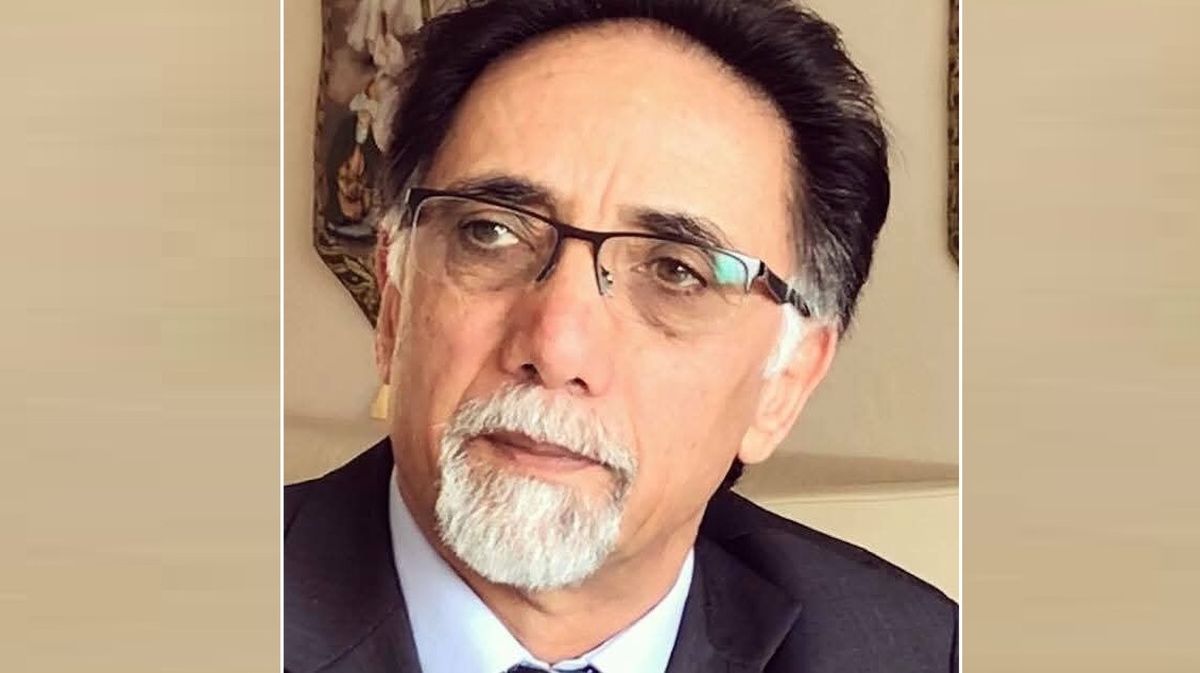
Author: Weissuddin Nejat, former First Secretary of the Embassy of Afghanistan in Iran (1990–1995).