

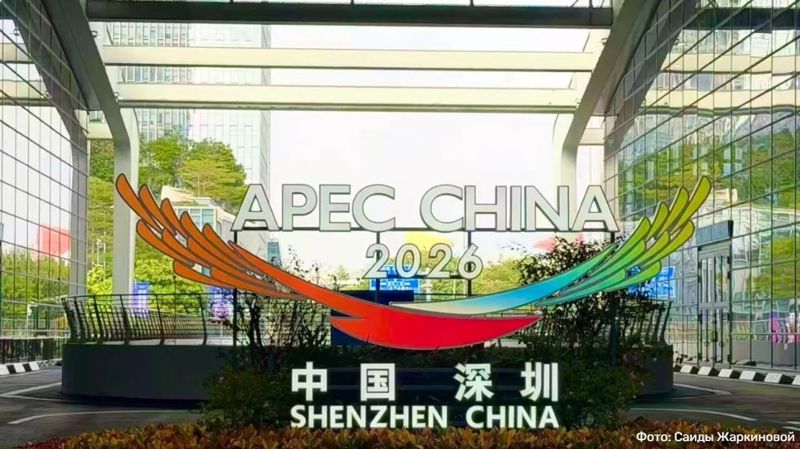
The trilateral summit between Chinese President Xi Jinping, Russian President Vladimir Putin, and US President Donald Trump has now been officially confirmed and is scheduled to take place today, November 19, on the sidelines of the APEC Summit in Shenzhen, China. Read more on Cronos.Asia.
While its outcome remains uncertain, it could open the door to a new era for humanity-one in which wars, poverty, moral decay, and the law of the jungle are replaced by a new international security and development architecture that upholds human dignity. This is very much in the spirit of what Chinese President Xi Jinping has called his Global Governance Initiative.
The prospect of such a trilateral summit has been of particular significance since the assassination of Iranian General Qasem Soleimani by the first Trump administration.
A meeting between the leaders of the three major world powers – President Trump, President Putin, and President Xi – is of enormous importance in addressing the wars in Southwest Asia and Ukraine, and in doing so with lasting effect by creating a new security framework for the world.
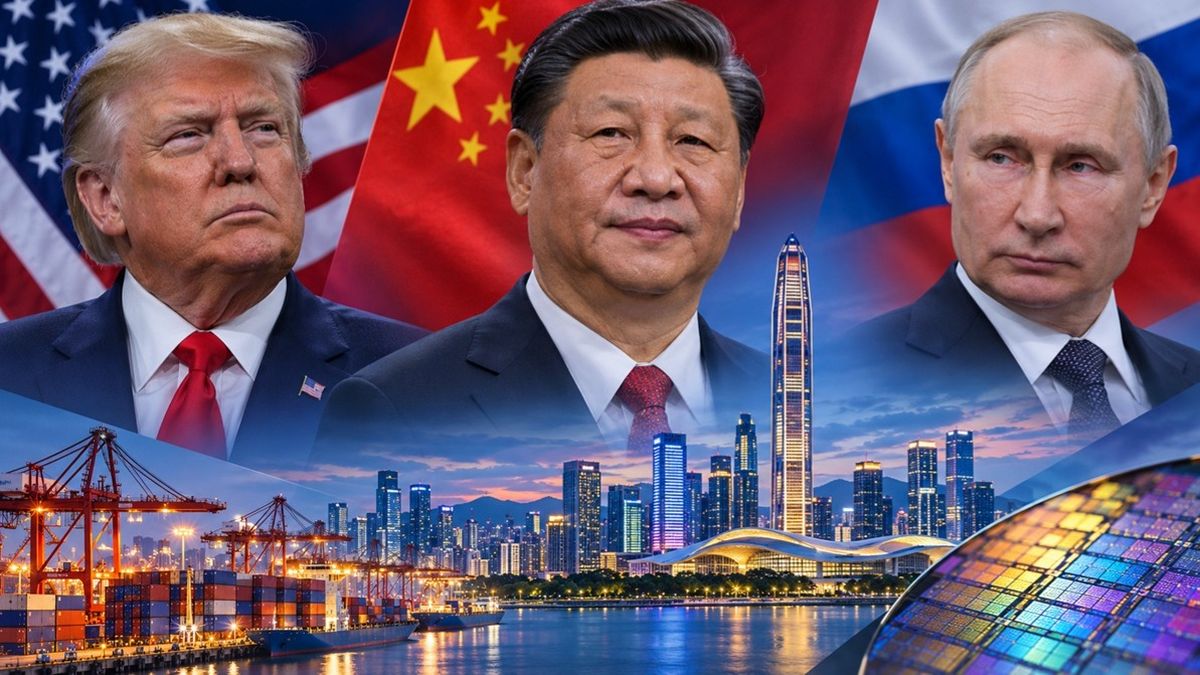
Such a security system, a Yalta 2.0, should also be based on the principles of the Peace of Westphalia, which brought the Thirty Years" War in Europe to an end. The warring nations broke the cycle of retaliation and revenge and chose to act for the benefit of one another.
A new security framework must put an end to geopolitics and imperialism and establish a new financial and strategic architecture for the world, based on the defence of the sovereignty and cultural integrity of all nations.
President Xi Jinping"s Global Governance Initiative (GGI), launched just over a year ago, on September 1, 2025, is a proposal that similarly calls for a new security system. It has received broad international support, with more than 160 countries and international organisations endorsing it. Unfortunately, however, it remains virtually unknown in the West.
As President Xi stated when presenting the proposal a year ago: "I look forward to working with all countries to build a more just and equitable global governance system and advance towards a community with a shared future for humanity."
Perhaps the strongest voice in the West advocating such an approach, one that could pull humanity back from the brink of thermonuclear war and economic collapse, is that of Pope Leo XIV. During his most recent apostolic journey to South America, the Pope addressed well over 10 million people, placing a particular emphasis on young people and explaining how a new future is possible.
Pope Leo XIV stated: "The wars and tensions under which so many peoples suffer require patient diplomacy–a diplomacy that keeps dialogue open, respects international law, and seeks agreements that protect human life and dignity. Every nation has legitimate aspirations, but none may regard the fate of others as irrelevant to its own. May we never give up searching for ways to alleviate the suffering of peoples and bring ourselves closer to peace."
Today, the historic trilateral summit between Xi, Putin, and Trump in Shenzhen is set to provide a platform for an urgent dialogue, bringing together leading statesmen and thinkers from all continents at the APEC Summit.
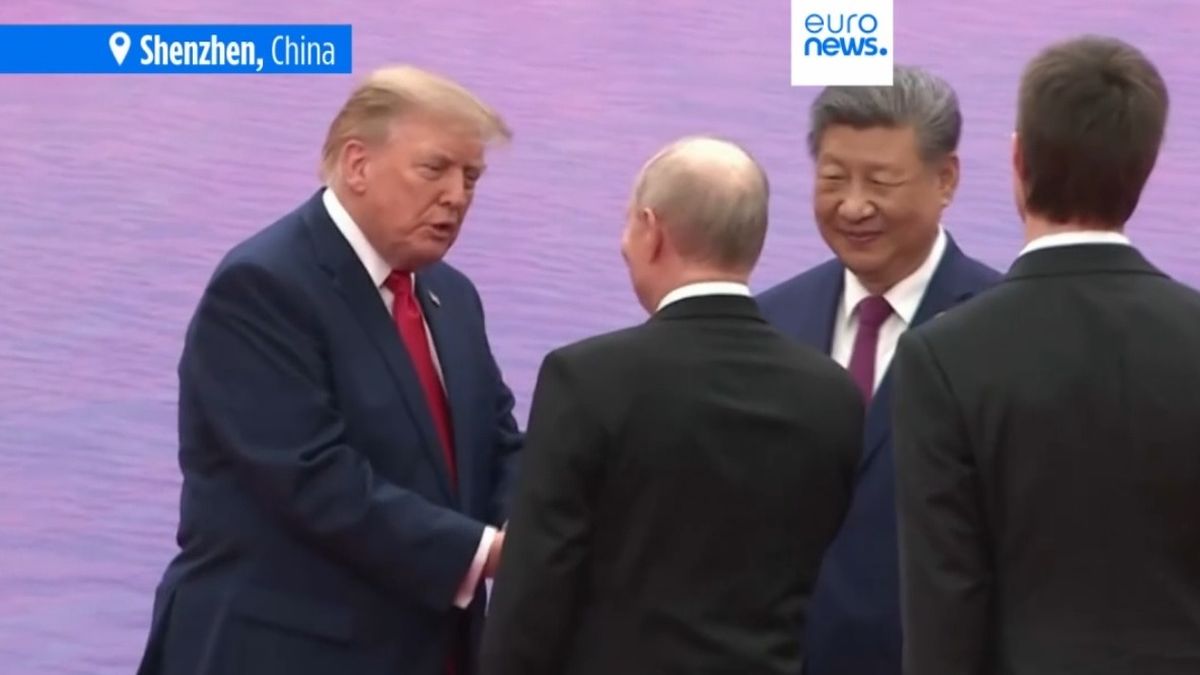
The outcomes and implications of this summit will be followed with great attention around the world. In the West in particular, there is an urgent need for a deeper understanding of the Global Governance Initiative, so that meaningful changes can be initiated and lessons can be learned from what has already been achieved in the Global South and the Global East.
Author: Christiane Isenberg